







The right bathroom can feel like a private retreat rather than simply a room for everyday routines. Whether you are working with a compact powder room, a family bathroom, or a spacious master suite, thoughtful design can completely change how the space looks and feels. From calming color palettes and smart storage to elegant lighting and modern fixtures, there are countless ways to create a bathroom that reflects your personality while remaining practical.
The best bathroom design ideas balance appearance with function. A beautiful bathroom is much more enjoyable when everything has a logical place, the lighting works for different tasks, and the materials can handle moisture and daily use. You do not necessarily need a huge budget or a complete renovation either. Small updates such as changing hardware, adding mirrors, improving lighting, or refreshing wall colors can make a surprisingly big difference.
Modern Bathroom Design Ideas for a Fresh Look
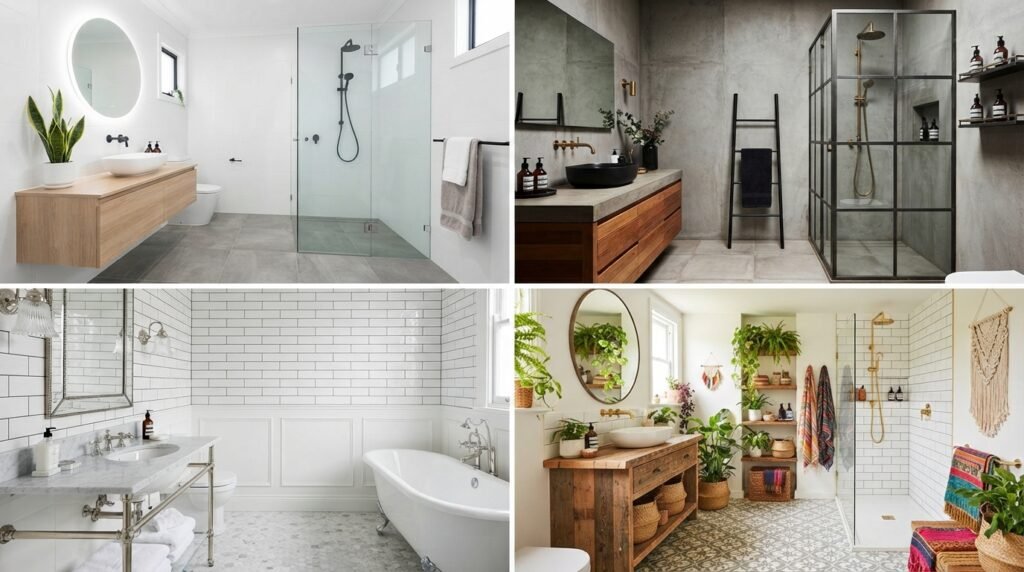
Modern bathrooms often focus on clean lines, uncluttered surfaces, and a carefully selected combination of materials. Instead of filling the room with too many decorative elements, modern design lets a few strong features make an impact. A floating vanity, frameless shower enclosure, large-format tiles, and minimalist fixtures can instantly give the room a more contemporary appearance.
Neutral colors work particularly well in modern spaces. White, beige, soft gray, warm taupe, and natural stone shades create a timeless foundation, while black or brushed-metal details can add contrast. If you want more personality, introduce muted green, navy, terracotta, or warm wood tones through cabinetry, accessories, or accent walls.
A useful principle is to choose quality over quantity. One attractive mirror or statement light fixture can often create more visual interest than several small decorations competing for attention.
“Good bathroom design is not just about making the space beautiful; it is about making everyday life easier.”
Small Bathroom Design Ideas That Maximize Space
Small bathrooms can be challenging, but limited square footage does not mean you have to sacrifice style. One of the smartest approaches is to make every surface work harder. Wall-mounted vanities, recessed shelves, corner storage, and compact fixtures can free up valuable floor space while keeping the room visually open.
Large mirrors are another effective solution. A wide mirror can reflect light and make a small bathroom appear considerably larger. Glass shower panels can also help because they maintain an uninterrupted visual connection across the room. When possible, use similar colors on the walls and floor to create a more continuous appearance.
Lighting also matters enormously in a compact bathroom. A combination of ceiling lighting, vanity lighting, and natural light can prevent dark corners and make the room feel brighter. Avoid relying on a single overhead fixture if the layout allows for additional lighting.
Luxury Bathroom Design Ideas Without an Oversized Budget
Luxury does not always require expensive materials. The feeling of luxury often comes from thoughtful details, consistency, and a sense of calm. A simple palette, high-quality-looking fixtures, soft towels, elegant lighting, and carefully chosen accessories can make an ordinary bathroom feel much more sophisticated.
Large-format tiles are popular in upscale bathrooms because fewer grout lines can create a cleaner, more seamless appearance. If natural stone is outside your budget, porcelain tiles can provide a similar visual effect while offering practical benefits. Warm metallic finishes, such as brushed brass, can also add elegance without overwhelming the space.
Another affordable way to create a premium atmosphere is to improve the lighting. Soft ambient illumination combined with focused vanity lighting can dramatically change the mood. Add a dimmer where appropriate, and consider warm-toned bulbs for a more relaxing evening atmosphere.
Bathroom Color Ideas for a Calm and Inviting Space
Color has a powerful influence on how a bathroom feels. Soft neutrals are popular because they create a peaceful backdrop that works with almost any style. Shades such as creamy white, light beige, pale gray, and warm sand can make the space feel bright without looking sterile.
For homeowners who prefer something more expressive, darker colors can create an intimate and dramatic atmosphere. Deep green, charcoal, navy, and earthy brown can look especially attractive when paired with suitable lighting and contrasting fixtures. The key is to balance darker surfaces with enough illumination.
You can introduce color without repainting the entire room. Towels, artwork, plants, shower curtains, cabinetry, and decorative accessories can all provide small bursts of personality. This approach also makes it easier to change the look later.
Bathroom Tile Design Ideas for Walls and Floors
Tiles are one of the most important design elements in a bathroom because they influence both style and maintenance. Subway tiles remain a classic choice, but there are many other possibilities, including geometric patterns, textured surfaces, stone-look porcelain, terrazzo-inspired designs, and oversized slabs.
The way tiles are installed can be just as important as the tile itself. Vertical layouts can emphasize ceiling height, while horizontal arrangements can make a narrow room feel wider. Matching floor and wall tones can create a cohesive appearance, whereas contrasting tiles can define individual zones.
When choosing bathroom flooring, practical considerations should come first. Look for materials appropriate for wet areas and consider slip resistance, cleaning requirements, durability, and grout maintenance. A beautiful floor should still be comfortable and safe for everyday use.
Walk-In Shower Ideas for a Contemporary Bathroom
Walk-in showers have become a popular feature because they combine accessibility with a clean, modern appearance. Frameless glass can make the shower area feel open, while built-in niches provide convenient storage without requiring bulky shelves.
A walk-in shower can also become a focal point through tile selection. For example, a textured accent wall or contrasting floor can visually separate the shower from the rest of the room. A rainfall showerhead can enhance the relaxing atmosphere, while a handheld shower adds practical flexibility.
Before choosing a design, think carefully about drainage and water control. Proper floor slope, suitable waterproofing, and correctly installed glass are essential. A stylish shower should be designed with performance in mind rather than appearance alone.
Bathroom Vanity Ideas for Style and Storage
The vanity often becomes one of the most noticeable pieces of furniture in a bathroom. It needs to look good, but it also has to provide enough storage for the items used every day. Drawers are particularly useful because they make it easier to organize smaller products and keep the countertop clear.
Floating vanities can create a modern appearance and make the floor underneath easier to clean. Freestanding cabinetry can provide a more traditional or furniture-inspired look. For a larger bathroom, a double vanity may offer useful separation and additional countertop space.
Think about the vanity finish as part of the overall color scheme. Natural wood can introduce warmth, while white cabinetry creates a clean and timeless appearance. Matte finishes are also useful for creating a contemporary feel without excessive visual shine.
Bathroom Lighting Ideas for Better Function and Atmosphere
Good lighting should never be treated as an afterthought. Bathrooms require enough illumination for practical activities such as shaving, applying makeup, grooming, and cleaning, but they should also feel comfortable and relaxing.
Vanity lighting is especially important because poorly positioned lights can create unwanted shadows on the face. Lighting placed around or beside the mirror can provide more balanced illumination. Ceiling fixtures can handle general lighting, while accent lighting can highlight architectural details or decorative features.
Natural light is another valuable design element. If your bathroom has a window, avoid blocking it unnecessarily. Light-colored finishes can help distribute daylight throughout the room, while privacy glass or appropriate window treatments can maintain comfort.
Natural Bathroom Design Ideas Inspired by Spa Interiors
A spa-inspired bathroom can create a relaxing environment using natural textures, simple colors, and minimal clutter. Wood-look finishes, stone-inspired tiles, greenery, woven baskets, and soft textiles can introduce a sense of warmth and tranquility.
Plants can be particularly effective when the bathroom receives sufficient natural or artificial light. Choose varieties appropriate for the humidity and available lighting conditions. Even one carefully placed plant can make a sterile-looking bathroom feel more welcoming.
The spa concept is also about reducing visual noise. Keep frequently used products organized and avoid covering every surface with accessories. A few intentional details often create a more sophisticated atmosphere than a crowded room.
Minimalist Bathroom Design Ideas for a Clean Appearance
Minimalism is not about making a bathroom empty. It is about making deliberate choices and removing unnecessary visual distractions. Simple cabinetry, concealed storage, streamlined fixtures, and a restrained color palette can create a peaceful environment that feels larger and easier to maintain.
One advantage of minimalist design is its versatility. A neutral bathroom can be updated over time simply by replacing towels, accessories, mirrors, or lighting. This makes the design less dependent on short-lived trends.
Storage plays an important role in minimalist bathrooms. Open countertops can make the space look organized, but achieving that appearance requires enough concealed storage. Built-in cabinets, mirrored medicine cabinets, and recessed shelving can help keep everyday items out of sight.
Budget-Friendly Bathroom Design Ideas for Homeowners
A bathroom makeover does not always require replacing everything. Start by identifying the elements that make the biggest visual difference. Updating cabinet hardware, faucets, mirrors, lighting, and paint can refresh the room without the expense of a complete renovation.
Accessories can also transform the atmosphere. Matching towels, a new bath mat, attractive storage containers, and a coordinated shower curtain can create a more intentional look. Even changing the way products are displayed can make the room appear cleaner and more polished.
If you are renovating on a tight budget, prioritize improvements that affect both appearance and function. Fix leaks, improve ventilation, repair damaged surfaces, and address storage problems before spending heavily on decoration.
Bathroom Design Ideas for a Family-Friendly Space
Family bathrooms need to accommodate different ages, routines, and storage requirements. Durability should therefore be a major consideration. Easy-to-clean surfaces, practical cabinetry, sturdy fixtures, and adequate ventilation can make the room easier to manage.
Storage should be divided according to how the household uses the bathroom. Drawers can hold everyday grooming products, while cabinets can store towels and cleaning supplies. Open shelves may be useful for frequently accessed items, but they should not become cluttered.
A neutral design can provide a flexible foundation for the whole family. Add personality through removable accessories, artwork, towels, and small decorative details rather than making permanent choices that may quickly become outdated.
Bathroom Trends Worth Considering
Bathroom trends can provide inspiration, but not every trend deserves a permanent place in your home. Current design directions increasingly emphasize natural materials, warmer color palettes, spa-like details, streamlined storage, and technology that improves convenience.
Large-format surfaces and understated fixtures can create a sophisticated appearance, while organic textures help soften modern spaces. Statement mirrors and distinctive lighting are also effective ways to introduce personality without changing the entire layout.
The best approach is to combine timeless fundamentals with a few contemporary touches. Choose durable flooring, functional plumbing fixtures, and practical storage first. Then use trend-driven elements where they can be changed easily later.
| Bathroom Element | Practical Choice | Style Benefit |
|---|---|---|
| Walls | Moisture-resistant paint or quality tile | Creates the foundation for the room |
| Flooring | Durable, slip-conscious tile | Combines safety with visual appeal |
| Vanity | Storage-focused cabinetry | Adds organization and character |
| Mirror | Large framed or frameless mirror | Improves light and perceived space |
| Lighting | Layered task and ambient lighting | Improves function and atmosphere |
| Shower | Glass enclosure with built-in storage | Creates an open, contemporary feel |
| Accessories | Coordinated towels and containers | Adds personality without major renovation |
How to Choose the Right Bathroom Style
The right style should reflect both your home and your daily habits. A minimalist bathroom may work beautifully for someone who prefers uncluttered spaces, while a traditional design may feel more appropriate in a classic home. Contemporary, Scandinavian, industrial, coastal, farmhouse, and spa-inspired styles can all work well when the materials are carefully coordinated.
Start by selecting three things: a primary color, a dominant material, and a design mood. For example, warm beige, wood-look cabinetry, and a spa-inspired atmosphere can create a cohesive direction. Once these choices are established, selecting tiles, fixtures, mirrors, and accessories becomes much easier.
Avoid mixing too many finishes or design styles without a clear connection. A bathroom generally feels more sophisticated when its major elements share a consistent visual language.
Common Bathroom Design Mistakes to Avoid
One of the biggest mistakes is focusing entirely on appearance while ignoring functionality. A beautiful vanity with inadequate storage, an attractive shower with poor drainage, or insufficient lighting can quickly become frustrating.
Another common issue is choosing materials without considering moisture, cleaning, and long-term durability. Bathrooms experience water, humidity, temperature changes, and frequent use, so materials need to be suitable for those conditions.
It is also easy to overcrowd a small bathroom. Too many shelves, decorations, colors, and patterns can make the space feel smaller. Instead, select a few strong features and allow them enough visual space to stand out.
How to Make Bathroom Design Ideas Work in Your Home
Before buying anything, measure the room carefully and consider the existing plumbing, doors, windows, electrical outlets, and ventilation. A design that looks excellent online may not work well with your specific layout.
Create a simple visual plan before committing to materials. Think about how the room will look from the doorway, where your eyes naturally focus, and how people move through the space. Function should guide the layout while aesthetics refine the final appearance.
It is also helpful to create a realistic budget that includes materials, labor, fixtures, delivery, and unexpected costs. Leaving some room for surprises can prevent a small renovation from becoming financially stressful.
Conclusion
The best bathroom design ideas combine beauty, comfort, storage, durability, and everyday practicality. Whether you want a luxurious master bathroom, a compact guest bathroom, or a family-friendly space, thoughtful decisions can make a major difference without requiring an extravagant budget.
Start with the fundamentals: a practical layout, suitable materials, effective lighting, useful storage, and a cohesive color palette. From there, add personality through mirrors, fixtures, tiles, accessories, plants, and decorative details. The goal is not simply to follow the latest trend but to create a bathroom that feels right for your home and remains enjoyable for years to come.
Frequently Asked Questions About Bathroom Design Ideas
What are the best bathroom design ideas for a small bathroom?
Some of the most effective bathroom design ideas for small spaces include wall-mounted vanities, large mirrors, glass shower panels, recessed storage, and light-colored finishes. These choices help preserve floor space and create a brighter, more open appearance.
How can I make my bathroom look more luxurious?
You can create a luxurious appearance by using layered lighting, coordinated finishes, attractive hardware, quality-looking tiles, an elegant mirror, and soft textiles. A restrained color palette and uncluttered surfaces can also make the room feel more sophisticated.
What colors work best for bathroom design?
White, beige, warm gray, taupe, soft green, blue, and earthy neutrals are versatile bathroom colors. The best option depends on the amount of natural light, room size, existing finishes, and the atmosphere you want to create.
What are good bathroom design ideas for a modern home?
Modern bathroom design ideas often include floating vanities, frameless glass showers, simple fixtures, large-format tiles, neutral colors, recessed storage, and minimalist lighting. Combining these elements can create a clean and contemporary look.
How can I update my bathroom without a full renovation?
Focus on high-impact, relatively simple changes such as painting, replacing cabinet handles, updating lighting, installing a new mirror, changing faucets, and adding coordinated accessories. These improvements can refresh the room without changing its basic layout.
How do I choose the right bathroom tiles?
Consider durability, moisture resistance, maintenance, slip resistance, size, color, and the overall style of the room. Choose tiles that work with your lighting and existing fixtures rather than selecting them solely because they are currently trendy.
Are natural materials suitable for bathrooms?
Natural materials can create a warm and relaxing atmosphere, but they need to be selected and maintained appropriately for humid environments. Porcelain and ceramic products that imitate wood or stone can provide a similar appearance with easier maintenance.
What makes a bathroom feel bigger?
Light colors, large mirrors, glass shower enclosures, consistent flooring, good lighting, and minimal visual clutter can make a bathroom appear larger. Keeping storage organized also helps maintain a sense of openness.